Is Sourdough Bread Gluten Free?
Gluten verdict for Sourdough Bread: Not Gluten Free
Sourdough bread is not safe for coeliacs. The wheat content is unchanged by fermentation.
Rated against the stricter of the two standards. Compare AU and US rules
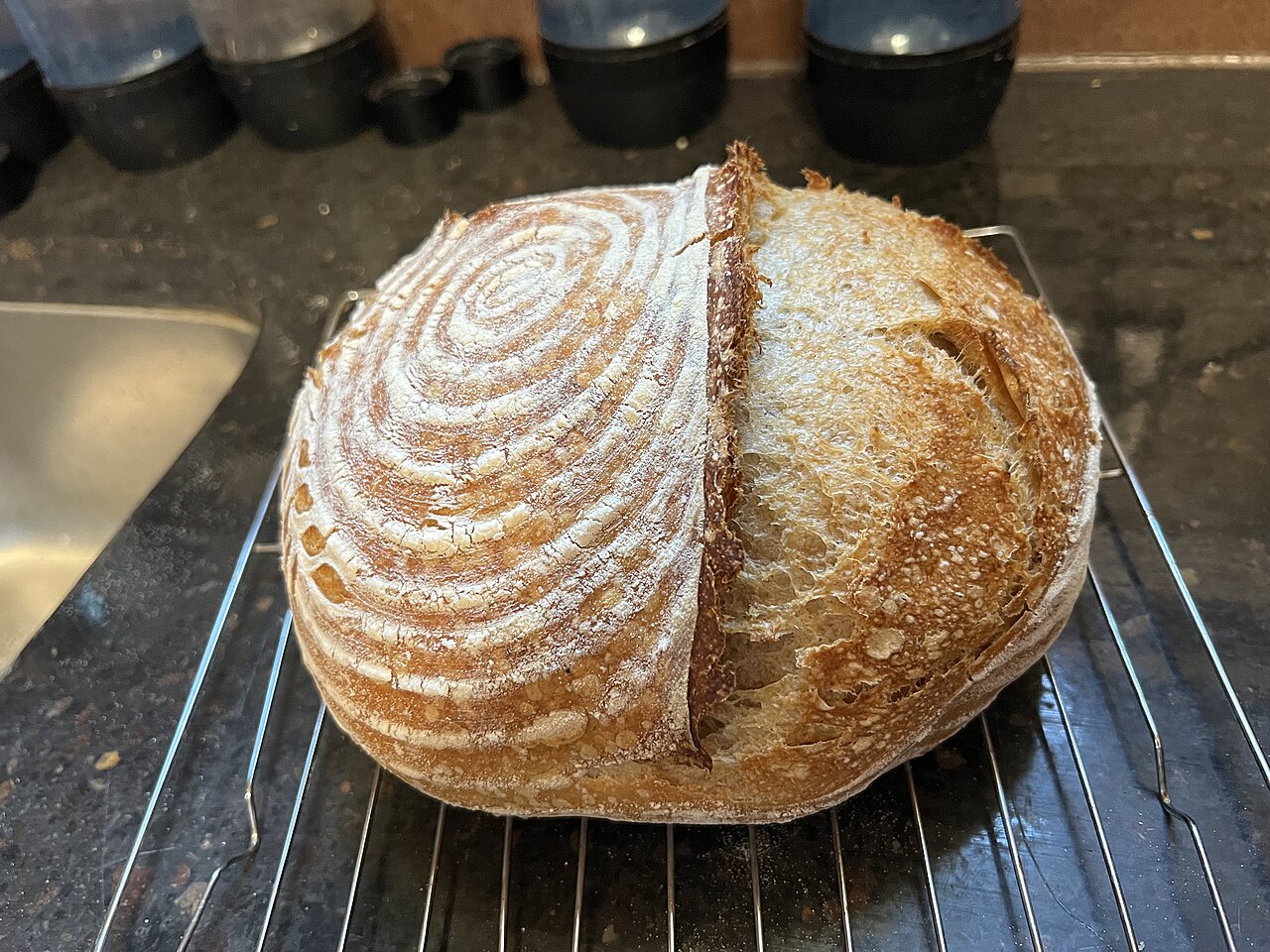
Standard wheat sourdough contains gluten. The fermentation process partially breaks down some gluten proteins, but not enough to make it safe for people with coeliac disease. Even long-ferment (36 to 72 hour) artisan sourdough exceeds the FSANZ 'no detectable gluten' threshold and the FDA 20 ppm threshold by orders of magnitude. The fermentation reduces FODMAPs (which is why some people with IBS or NCGS tolerate sourdough better than commercial bread), but it does not produce gluten free bread.
Coeliac Disease
Avoid all standard sourdough. The fermentation reduces but does not eliminate gluten, and even trace amounts trigger autoimmune damage in coeliac disease. Only sourdough certified as gluten free (made from GF flour in a dedicated facility) is safe. See our full guide on <a href="/guides/sourdough-and-gluten/">sourdough and gluten</a> for the research context.
Gluten Sensitivity (NCGS)
Some people with non-coeliac gluten sensitivity find sourdough easier to digest than commercial bread because the fermentation reduces FODMAPs (fermentable carbohydrates) more than gluten. This is an individual tolerance question. If you've been told you have NCGS rather than coeliac disease, you might experiment with a small portion of long-ferment sourdough and assess symptoms. Do not try this if you have coeliac disease.
Why Does Sourdough Bread Contain Gluten?
Sourdough is made from wheat (or sometimes rye) flour, water, and a wild yeast and bacteria starter. The lactic acid bacteria in the starter partially hydrolyse gluten proteins during long fermentation, but research consistently shows residual gluten levels remain well above the safe threshold for coeliacs. Genuine gluten free sourdough exists but is made from gluten free starter (often rice, sorghum, or buckwheat) and gluten free flour. Calling something 'sourdough' on the label doesn't restrict the flour used. Most sourdough at AU bakeries is wheat.
Australia vs United States
Australia (FSANZ)
FSANZ requires wheat to be declared in the allergen statement on packaged sourdough. Most fresh in-store sourdough at Coles, Woolworths, and bakery chains is wheat. Read the ingredient list on any packaged 'sourdough' product.
United States (FDA)
FDA labelling requires wheat declaration on packaged sourdough. US artisan bakeries widely promote long-ferment sourdough but most use wheat. Canyon Bakehouse, Schar, and a few US specialty bakeries produce certified gluten free sourdough alternatives.
Nutrition Information
Source: USDA FDC. Values are for the generic food in its standard form. Branded products may vary. Always check the product label for the most accurate nutrition information.
Brand Comparison
Not all brands are created equal. Here is how popular sourdough bread brands stack up for gluten content. Brand recipes change, so always confirm against the current label; the last verified date shows when we last checked.
| Brand | Region | Gluten Free? | Certification | Notes | Last verified |
|---|---|---|---|---|---|
| Bakers Delight Sourdough | AU | No | None | Wheat-based. Cross-contamination at slicer. | 2026-04-27 |
| Brumby's Sourdough | AU | No | None | Wheat dough. Long ferment but still contains gluten. | 2026-04-27 |
| Coles Wholegrain Sourdough | AU | No | None | Bakery section. Wheat and rye blend. Higher gluten than plain sourdough. | 2026-04-27 |
| Woolworths Sourdough | AU | No | None | Bakery section. Wheat. | 2026-04-27 |
| Wholegrain Milling Co GF Sourdough | AU | Yes | Coeliac Australia endorsed | Dedicated GF sourdough. Sold direct and at select health food stores. | 2026-04-27 |
| Schar Sourdough | AU | Yes | AOECS GF crossed-grain | GF sourdough. Free From section at major supermarkets. | 2026-04-27 |
| Genius Gluten Free Sourdough | AU | Yes | Coeliac UK endorsed | UK import. Available at Harris Farm and select IGAs. | 2026-04-27 |
What to Watch For
Sourdough mythology online overstates the gluten reduction. Studies showing 'gluten free sourdough' use heavily modified starters and controlled lab conditions, not what's served at your local bakery. Long-ferment sourdough from artisan bakeries is still wheat. Multigrain sourdough is still wheat plus added grains. Rye sourdough is even higher in gluten than wheat. Spelt sourdough is ancient wheat and still contains gluten.
Gluten Free Alternatives
If you need a gluten free substitute, consider: Certified gluten free sourdough from dedicated bakeries (Wholegrain Milling Co. has a GF sourdough; Bakers Delight GF range; Schar Sourdough; Genius Sourdough). For a similar tangy flavour without the fermentation, try GF bread with a slice of mature cheddar or a smear of cultured butter. Some AU specialty bakeries (Pana Bakery in Melbourne, Sunny Bread in Sydney) produce dedicated GF sourdough loaves baked in separate facilities..
Frequently Asked Questions
Is Sourdough Bread gluten free?
Standard wheat sourdough contains gluten. The fermentation process partially breaks down some gluten proteins, but not enough to make it safe for people with coeliac disease. Even long-ferment (36 to 72 hour) artisan sourdough exceeds the FSANZ 'no detectable gluten' threshold and the FDA 20 ppm threshold by orders of magnitude. The fermentation reduces FODMAPs (which is why some people with IBS or NCGS tolerate sourdough better than commercial bread), but it does not produce gluten free bread.
Can coeliacs eat sourdough bread?
Avoid all standard sourdough. The fermentation reduces but does not eliminate gluten, and even trace amounts trigger autoimmune damage in coeliac disease. Only sourdough certified as gluten free (made from GF flour in a dedicated facility) is safe. See our full guide on <a href="/guides/sourdough-and-gluten/">sourdough and gluten</a> for the research context.
Related Foods in Bread and Bakery
More from RefDat
Need to convert recipe measurements for gluten-free baking? RefDat cooking converters cover cups to grams, tablespoons to millilitres, and more. For oven adjustments see the temperature converter. Looking for kitchen gear that handles gluten-free cooking? See RefDat's Australian reviews of bread makers for coeliac-friendly options.
How We Verify This
Every food in our database is reviewed against current FSANZ and FDA gluten-free standards. Brand data is verified against manufacturer labelling. We cross-reference with Coeliac Australia ingredient lists and the USDA FoodData Central database. When Australian and US standards differ, we apply the stricter standard.
Sources
FSANZ, Coeliac Australia, FDA
Last reviewed: August 2026