Is Edamame Gluten Free?
Gluten verdict for Edamame: Gluten Free
Fresh edamame (young soybeans) are naturally gluten free.
Rated against the stricter of the two standards. Compare AU and US rules
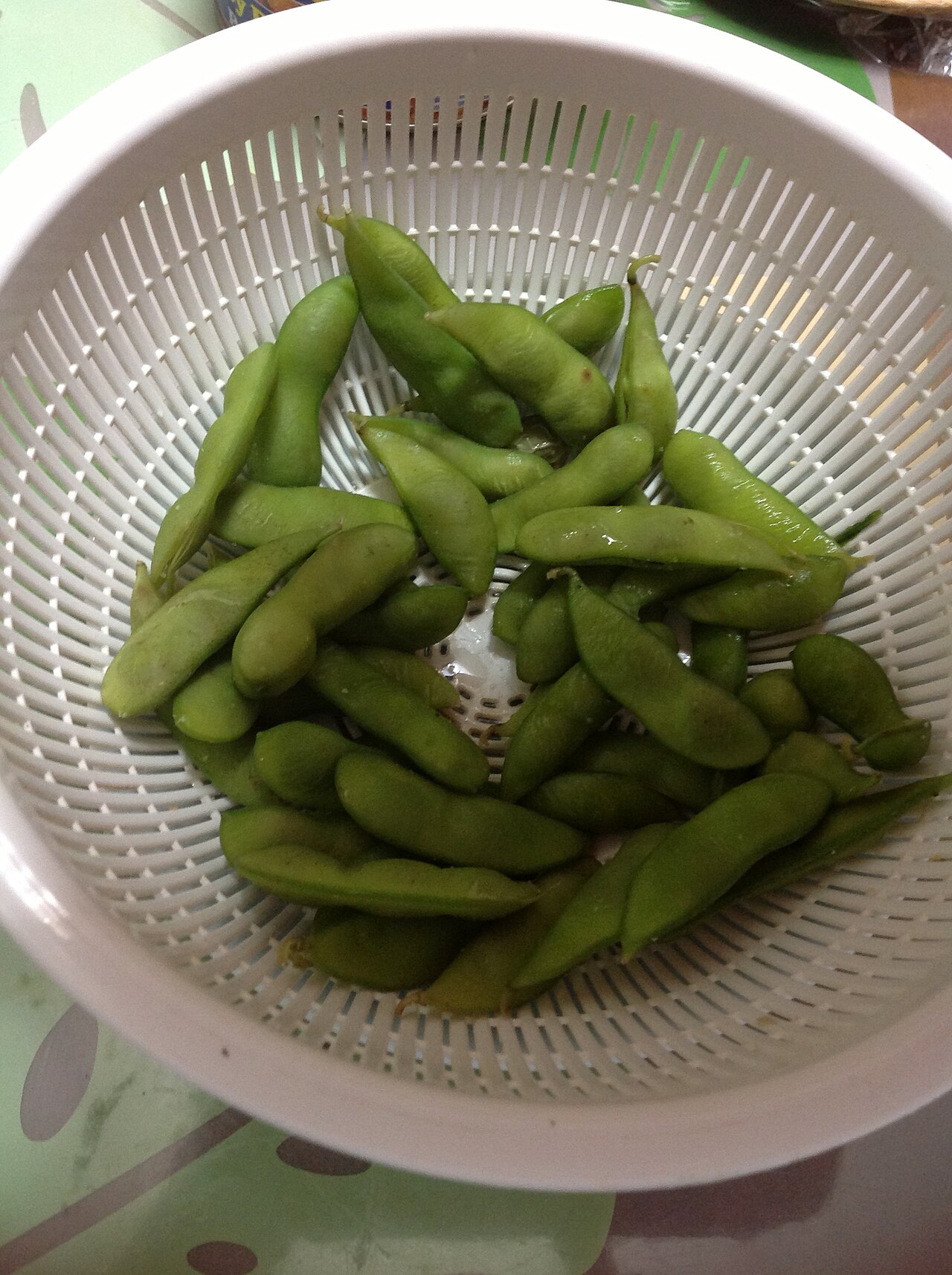
Edamame are soybean pods boiled or steamed. The soybeans contain only plant protein, no gluten.
Coeliac Disease
Edamame are completely safe.
Gluten Sensitivity (NCGS)
Safe for NCGS.
Why Does Edamame Not Contain Gluten?
Soybeans don't contain gluten. Legumes are naturally gluten free.
Australia vs United States
Australia (FSANZ)
FSANZ standard.
United States (FDA)
FDA standard.
Nutrition Information
Source: USDA FDC. Values are for the generic food in its standard form. Branded products may vary. Always check the product label for the most accurate nutrition information.
What to Watch For
None for plain edamame. Be careful with salt seasonings or sauces.
Gluten Free Alternatives
If you need a gluten free substitute, consider: Any edamame variety, other legumes, fresh vegetables.
Frequently Asked Questions
Is Edamame gluten free?
Edamame are soybean pods boiled or steamed. The soybeans contain only plant protein, no gluten.
Can coeliacs eat edamame?
Edamame are completely safe.
Related Foods in Fruits and Vegetables
More from RefDat
Looking for kitchen gear that handles gluten-free cooking? See RefDat's Australian reviews of blenders for coeliac-friendly options. Explore more reference data at refdat.com.
How We Verify This
Every food in our database is reviewed against current FSANZ and FDA gluten-free standards. Brand data is verified against manufacturer labelling. We cross-reference with Coeliac Australia ingredient lists and the USDA FoodData Central database. When Australian and US standards differ, we apply the stricter standard.
Sources
FSANZ, Coeliac Australia
Last reviewed: August 2026